Recycling and Sustainability for Landscaping Ilford
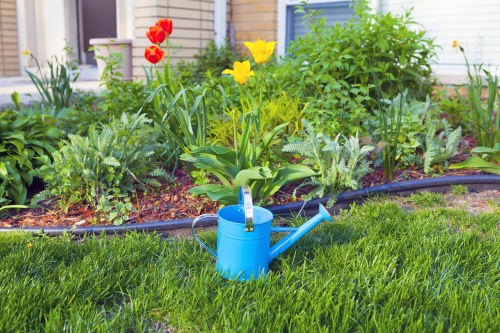 Landscaping Ilford is increasingly shaped by a practical commitment to lower waste, smarter material use, and greener site habits. From garden clearances to full landscape transformations, the aim is to treat every project as a chance to reduce landfill use and recover as much material as possible. By combining careful planning with responsible disposal, landscaping in Ilford can support cleaner streets, healthier green spaces, and a more resource-efficient borough.
A key sustainability target for our Ilford landscaping work is to recycle or reuse at least 85% of all suitable green waste, soil, hardcore, timber, metal, and packaging generated during projects. This target helps guide everyday decisions on site, from separating materials at the point of collection to choosing reused aggregates where appropriate. It also reflects a wider shift toward circular methods, where waste becomes a resource rather than a burden.
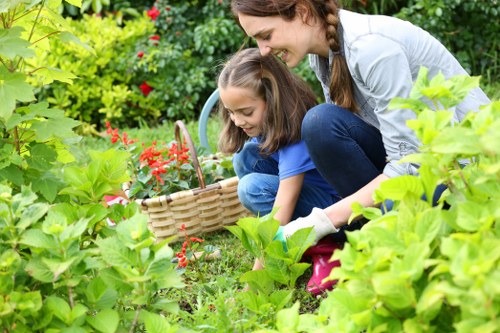 In practice, this means placing a strong emphasis on sorting before transport. Leaves, branches, turf, and hedge cuttings are separated from inert waste, while stone, bricks, and broken paving are kept apart for transfer to the correct facility. Responsible landscaping services in Ilford also benefit from the borough’s broader approach to waste separation, which encourages cleaner material streams and better recovery rates. Where possible, soil is screened and reused, and suitable timber is diverted away from disposal for processing or recycling.
One important part of this approach is using local transfer stations and licensed waste facilities efficiently. By routing loads through nearby transfer stations, landscape waste from Ilford can be sorted quickly, reducing unnecessary journeys and improving the chances that recyclable material is recovered. These local facilities help manage mixed green waste, construction spoil, and bulky materials in a way that supports both compliance and sustainability. Shorter transport distances also lower emissions, making the overall process cleaner and more accountable.
We also place value on partnerships with charities and reuse organisations. Items removed from gardens or outdoor spaces that still have life in them, such as planters, bricks, slabs, edging, wheelbarrows, or surplus materials, may be donated where suitable rather than discarded. This approach gives useful items a second purpose and supports community groups that benefit from low-cost or free materials. For Ilford landscaping projects, charitable partnerships are a practical way to reduce waste while contributing to local good causes.
 Beyond material recovery, sustainability depends on how the work is carried out day to day. That is why low-carbon vans are an important part of our operations. Modern fuel-efficient and low-emission vehicles help reduce the environmental impact of transporting tools, plants, and waste across the area. Combined with route planning and consolidated collections, these vans support a lower-carbon service model for landscaping Ilford without compromising reliability or efficiency.
Recycling activity on landscaping sites can take many forms, and the most effective systems are often the simplest. For example, green waste can be chipped for mulch, prunings can be composted, and clean soil can be screened for reuse in borders or levelling work. Metal fixtures and offcuts are separated for specialist recycling, while plastic packaging is kept out of mixed waste wherever possible. This careful sorting reflects the borough’s wider emphasis on separating recyclable streams early, which helps reduce contamination and improves the quality of recovered materials.
In some cases, material recovery also supports more thoughtful design decisions. Reclaimed paving can be reused in hardstanding areas, surplus topsoil can help establish new planting beds, and untreated wood may be repurposed for edging or habitat features. Such choices reduce the need for new raw materials and encourage a more circular landscaping approach in Ilford. Even small actions, such as choosing refillable product containers or using bulk deliveries to cut packaging, can make a meaningful difference over time.
These efforts are especially relevant in an urban setting where space is limited and waste must be managed carefully. By working with licensed waste handlers, transfer stations, and charity partners, landscaping teams can keep projects cleaner and more efficient from start to finish. The result is a service that aligns with local environmental priorities while still delivering attractive, practical outdoor spaces for homes, businesses, and communal areas.
 Another part of the sustainability plan is staff awareness and on-site discipline. Teams are encouraged to keep recyclable and non-recyclable materials separate, avoid over-ordering supplies, and identify opportunities to reuse or repair items before replacement. This helps maintain the 85% recycling target and reduces avoidable waste. It also supports better record keeping, so progress can be measured and improved across different jobs and seasons.
Landscaping Ilford recycling is not only about disposal; it is also about choosing better inputs. Selecting peat-free compost, durable fittings, and locally sourced plants can reduce the environmental footprint of a project from the outset. Similarly, using electric or low-emission tools where practical and maintaining equipment properly can further cut emissions. These choices, alongside low-carbon vans, build a more resilient and forward-looking landscaping service.
 Looking ahead, sustainable landscaping in Ilford will continue to depend on practical partnerships, smart logistics, and careful separation of materials. With strong recycling targets, support from local transfer stations, charity-led reuse, and a lower-carbon vehicle fleet, outdoor projects can be completed in a way that respects both the immediate site and the wider environment. This approach helps make every garden clearance, planting scheme, and hard landscaping project part of a cleaner, more responsible future for the area.